
Fast Facts for May 26, 2021
The IRS is confirming wealthy Americans and big corporations may not be paying their fair share in taxes – and really — the IRS doesn’t have the manpower to do anything about it. But if they did…they could bring in about 700-billion dollars over the next decade in tax money that’s owed.
This new report from the Treasury Department outlines all the ways the department would use the budget money President Biden is proposing in his Infrastructure bill by laying out several action items aimed at closing the “tax gap.” The “tax gap” is the difference between what taxpayers owe to the federal government and what they actually pay.
Here’s what’s really shocking – since 2010 tax audits on individuals with an annual income of more than a million dollars – dropped by more than 60%. And audits on corporations with assets over $20 billion dollars dropped by almost 50%.
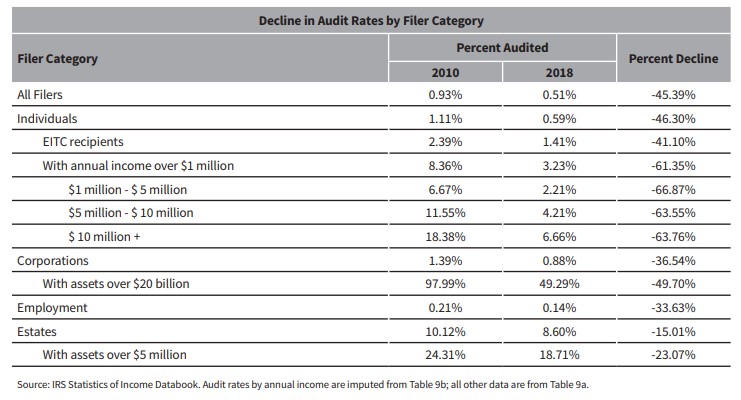
Why did audits drop? Money and staffing. It’s simple, rich Americans and corporations have more complicated returns and the money to get “creative’ with their tax obligation. And couple that with the fact that the IRS doesn’t have the money to audit them or agents to investigate them – boom – tax gap.
The IRS also reports audits on those with low to moderate incomes dropped by about 40%. Basically the IRS said it’s easier to audit poor people with simpler tax returns.
If the infrastructure stimulus bill passes – besides hiring more IRS agents to investigate these cases, the department wants to modernize some of the systems which have been in place since the 1960s
Over the years the IRS’s budget has been gutted.

But keep in mind, none of this can happen until congress passes the president’s bill and there is a ton of opposition already.
Full Treasury Department report here.
PLUS
The IRS dropped another batch of EIP3 stimulus payments for those who are still missing them.
This batch included 1.8 million payments with a pay date of today.
No – this is not a new stimulus payment. This is the same EIP3 stimulus given under the American rescue act signed into law in march.
This batch included more than 900,000 payments for those for whom the IRS previously didn’t have information to issue a payment but is now able to after a recently filed tax return was processed.
It also includes about 900,000 “plus up payments”.
These payments went out in both direct deposits and paper checks.
If you want to see if you’re in this last batch you can check out the get my payment portal on irs.gov. If you are receiving a paper check the IRS says to allow three to four weeks for delivery.
And if you are still missing an EIP3 and your status is still unavailable or does not give you a pay date, and you qualify – do *not* panic. The IRS says they will continue to issue payments weekly as they continue to process 2020 tax returns.
